










Three techniques define canyoning, and all three follow rules that can be learned: jumping into a pool, sliding down a natural rock slide, and secured rappelling down a waterfall. First, the most important message for all beginners: Each of these action spots is optional with us, because there’s an alternative for every passage, such as climbing down or going around. The techniques are taught by certified guides, and abseiling is additionally practiced in a dry run before every tour. We explain the correct technique, the most common mistakes, and why the 18-meter-long slide in the Starzlachklamm requires no hand-braking technique whatsoever.


Spring mit uns in die Canyoning Welt!
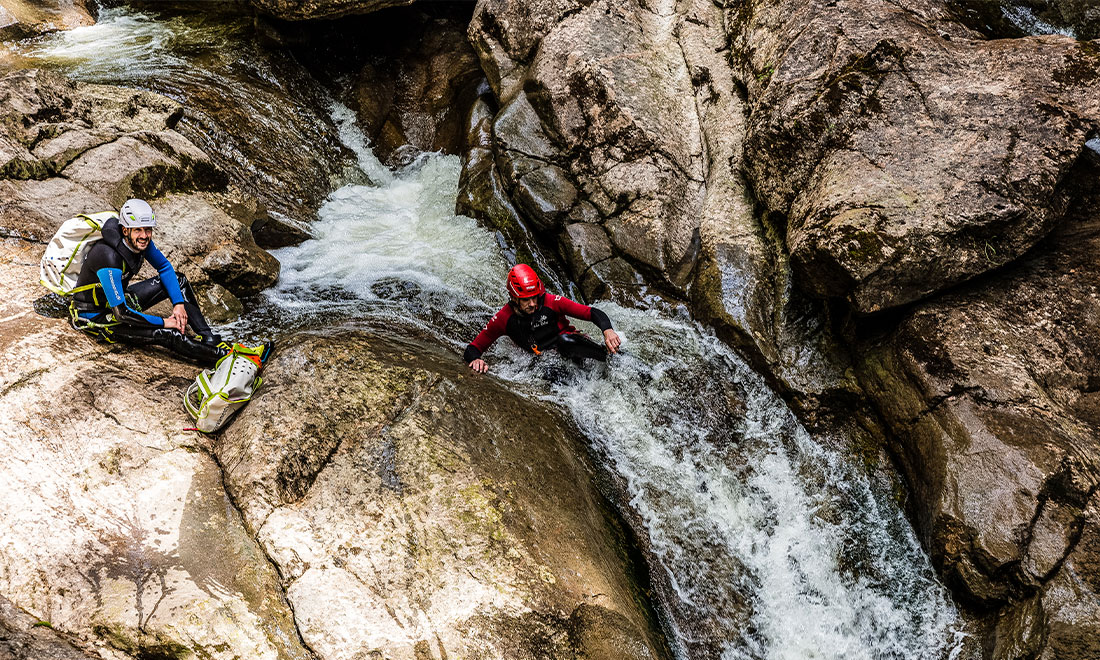


Jumping and Sliding: Body Position Is Key
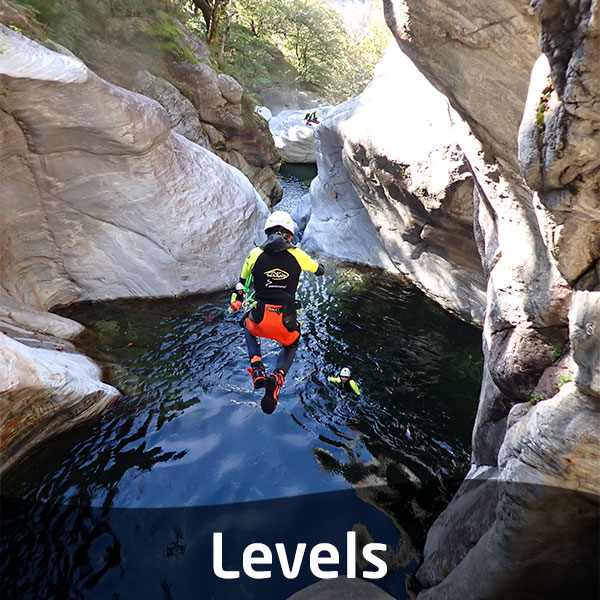
Before the jump, the guide first checks the water depth and gives the go-ahead for the jump—you should never jump into unchecked bodies of water. The jump follows three rules: feet first, arms close to your body, and look straight ahead instead of down; this way, you’ll enter the water in a controlled manner and resurface safely. You alone decide what height you feel comfortable with; many guests don’t jump at all on their first tour but jump from every approved ledge on their second. On the natural rock slides, which the water has polished over millennia, a different starting position applies: lie on your back, cross your arms in front of your chest, bend your legs slightly, and keep your head up. Beginners most often make mistakes with their hands, because the reflex to try to brake with your hands must be retrained; braking is done exclusively by the pool at the end of the slide. The finale of the beginner’s canyon is the 18-meter-long slide, the details of which are described on the page for the Starzlachklamm canyoning highlight.
Rappelling: the most technical discipline, thoroughly practiced
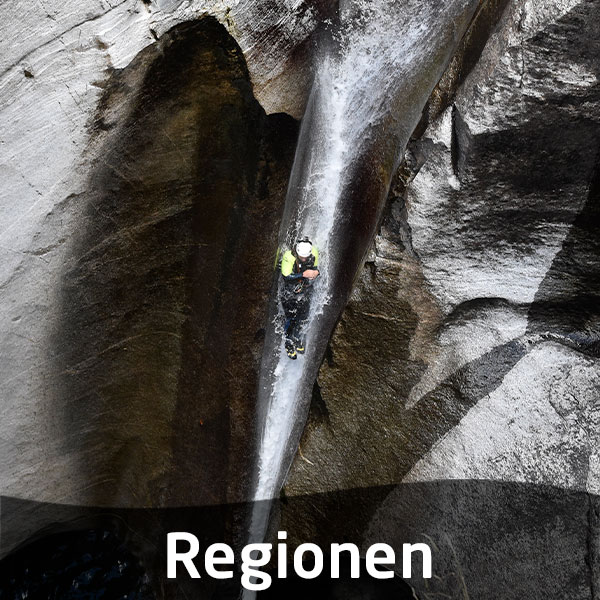
Almost every beginner feels a sense of awe when it comes to rappelling, and that’s exactly why we cover this technique in the greatest detail. Before every tour, we do a dry run where your guide explains step by step how to tie into the harness, the proper hand position on the rope, and how to control your speed—and has you repeat these steps until you’ve got the hang of them; only then do we move on to the first real rappelling spot in the canyon. While rappelling, you’re secured at all times by the rope and harness, and you set your own pace, making the technique more controllable than it appears from the outside. We use only certified equipment from our partner Edelrid in Isny, whose maintenance is documented by our ISO 21101-certified safety concept. The reward for overcoming this challenge comes in the gorge when you rappel down the waterfall—or even through it—with spray on your face and a firm grip on the rope. The three core techniques are complemented by climbing, walking on boulder terrain, and swimming. Those who wish to focus more intensively on rope techniques can book a private guide for personalized training.



You are currently viewing a placeholder content from YouTube. To access the actual content, click the button below. Please note that doing so will share data with third-party providers.
More InformationYou are currently viewing a placeholder content from YouTube. To access the actual content, click the button below. Please note that doing so will share data with third-party providers.
More Information